
Colorado's Most Majestic Waterfall
Now Open Friday through Monday!
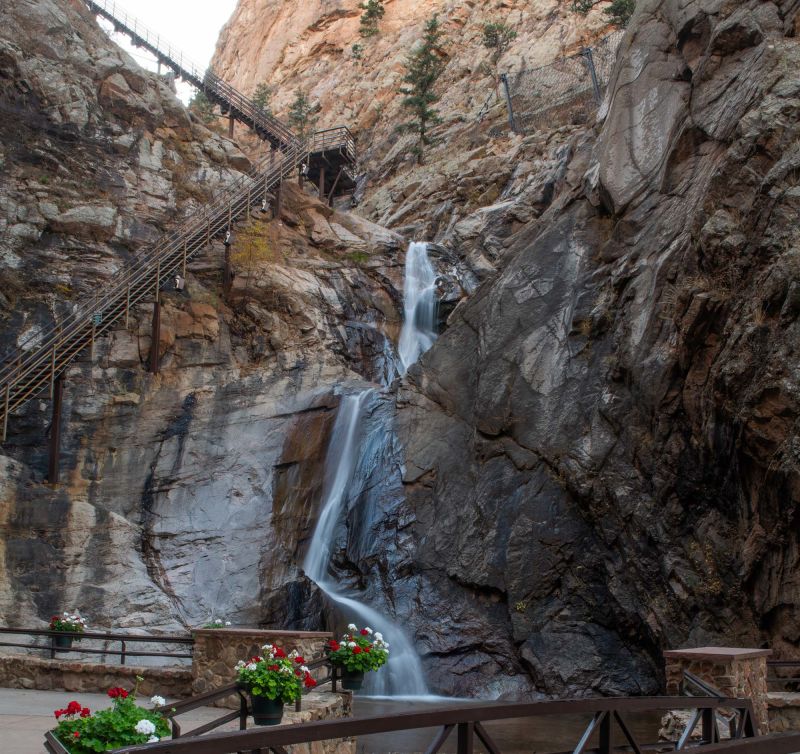
HOURS & RATES
There are so many ways to experience the spectacular natural wonder that is Seven Falls. We now offer ticket sales online! Get your advance tickets now.
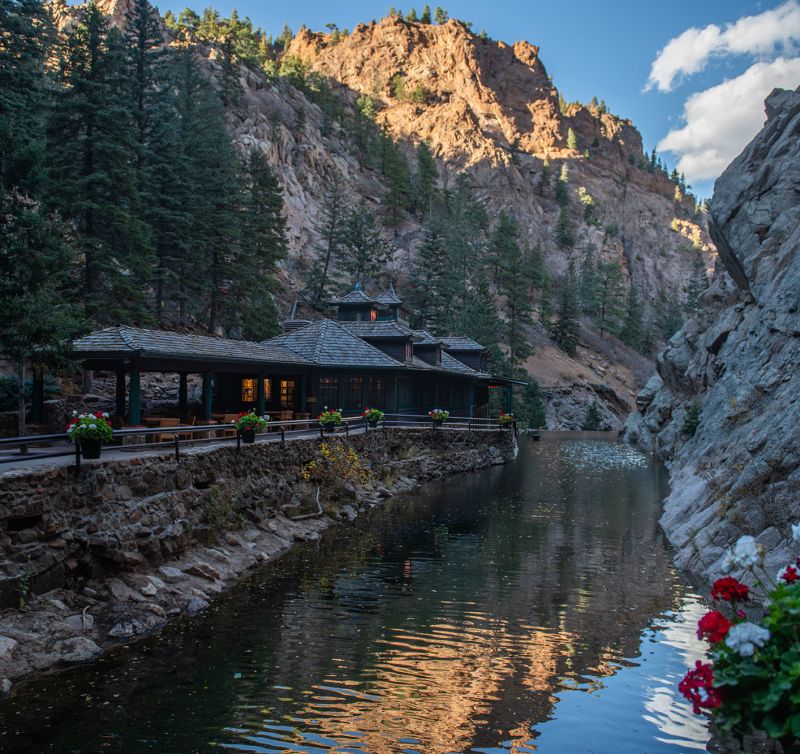
Restaurant 1858
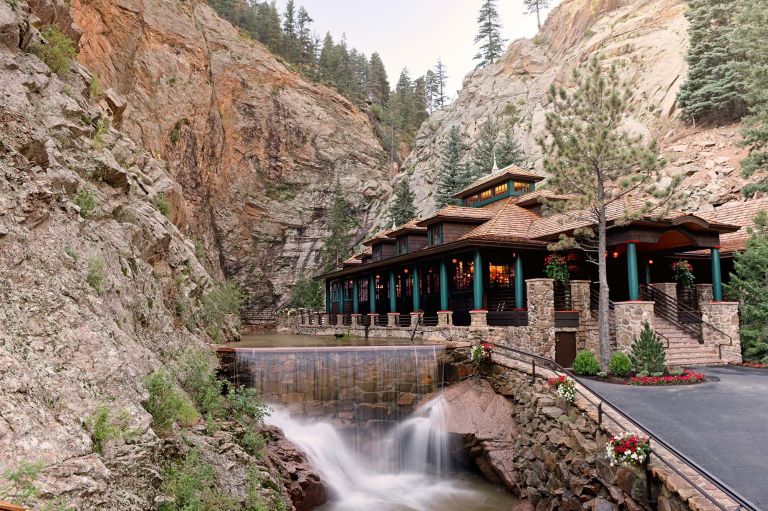
Restaurant 1858 operates during Park hours for lunch and dinner. The cuisine takes inspiration from the region's traditional heritage of early frontier cooking to create a seasonal menu of uniquely Colorado dishes.
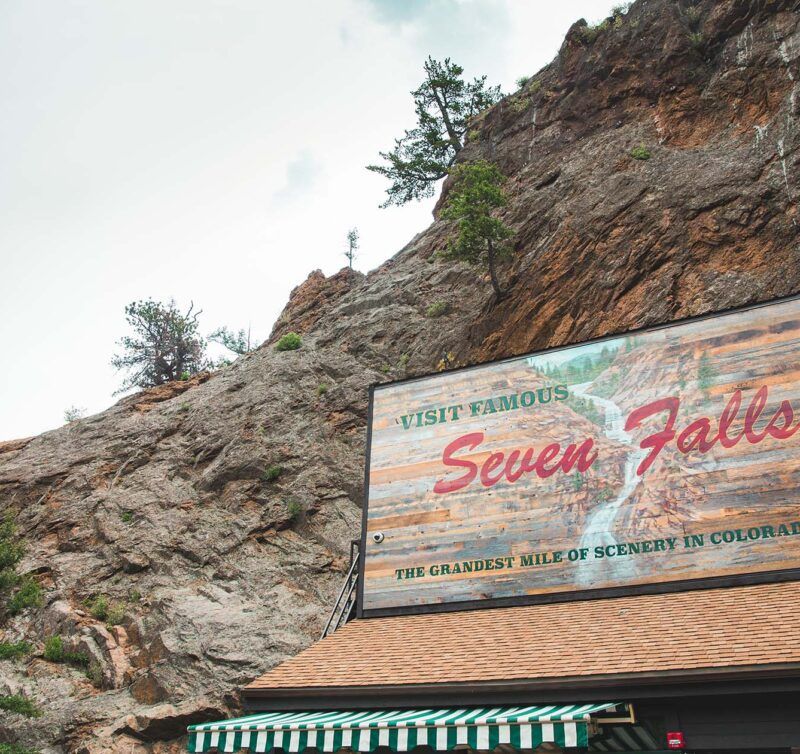
Know Before You Go
From our new ticket process to parking and arrival and things to do inside the Park, we've got you covered. Quick answers for all our guests.
Visit - Plan Your Visit
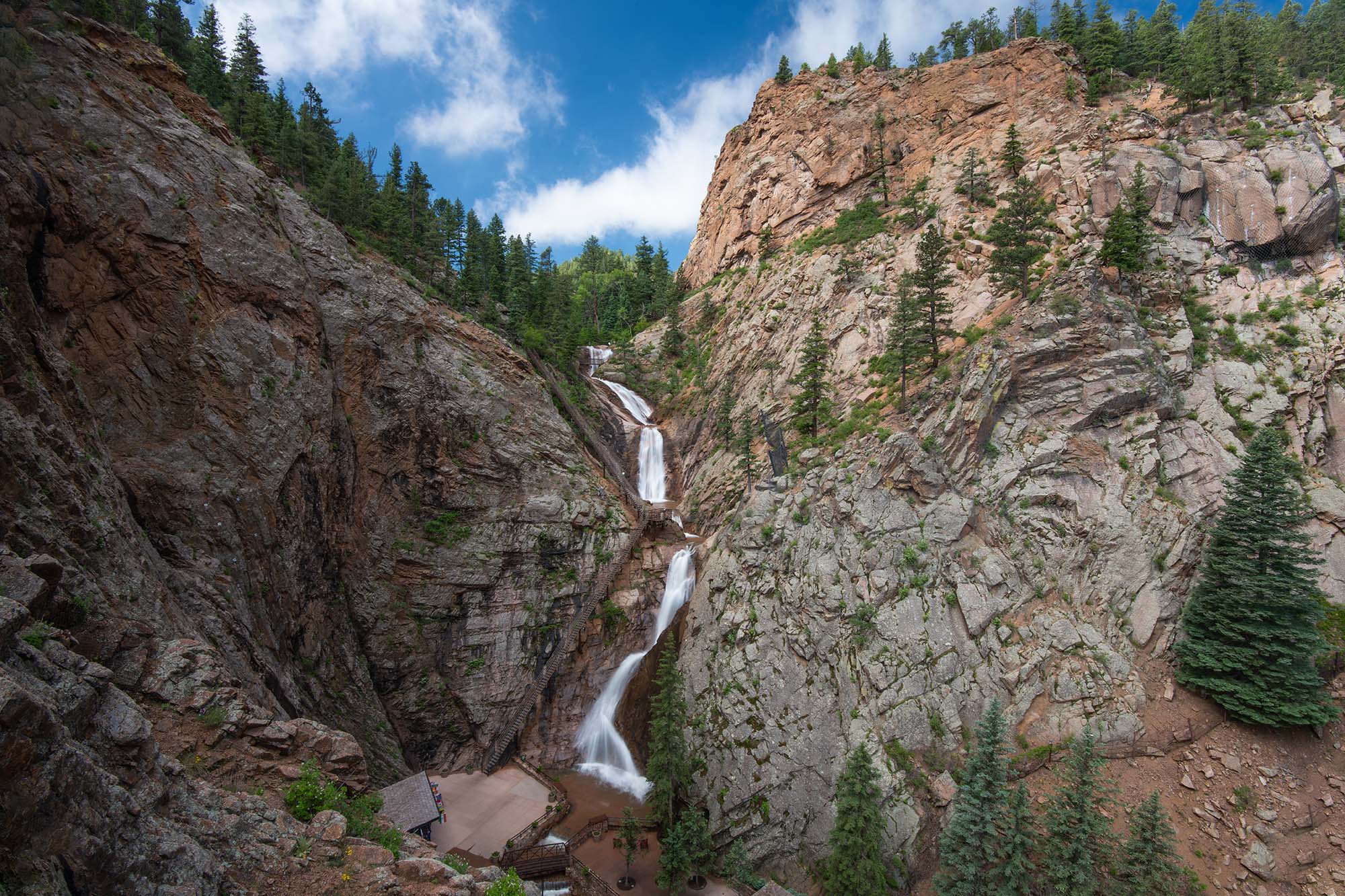
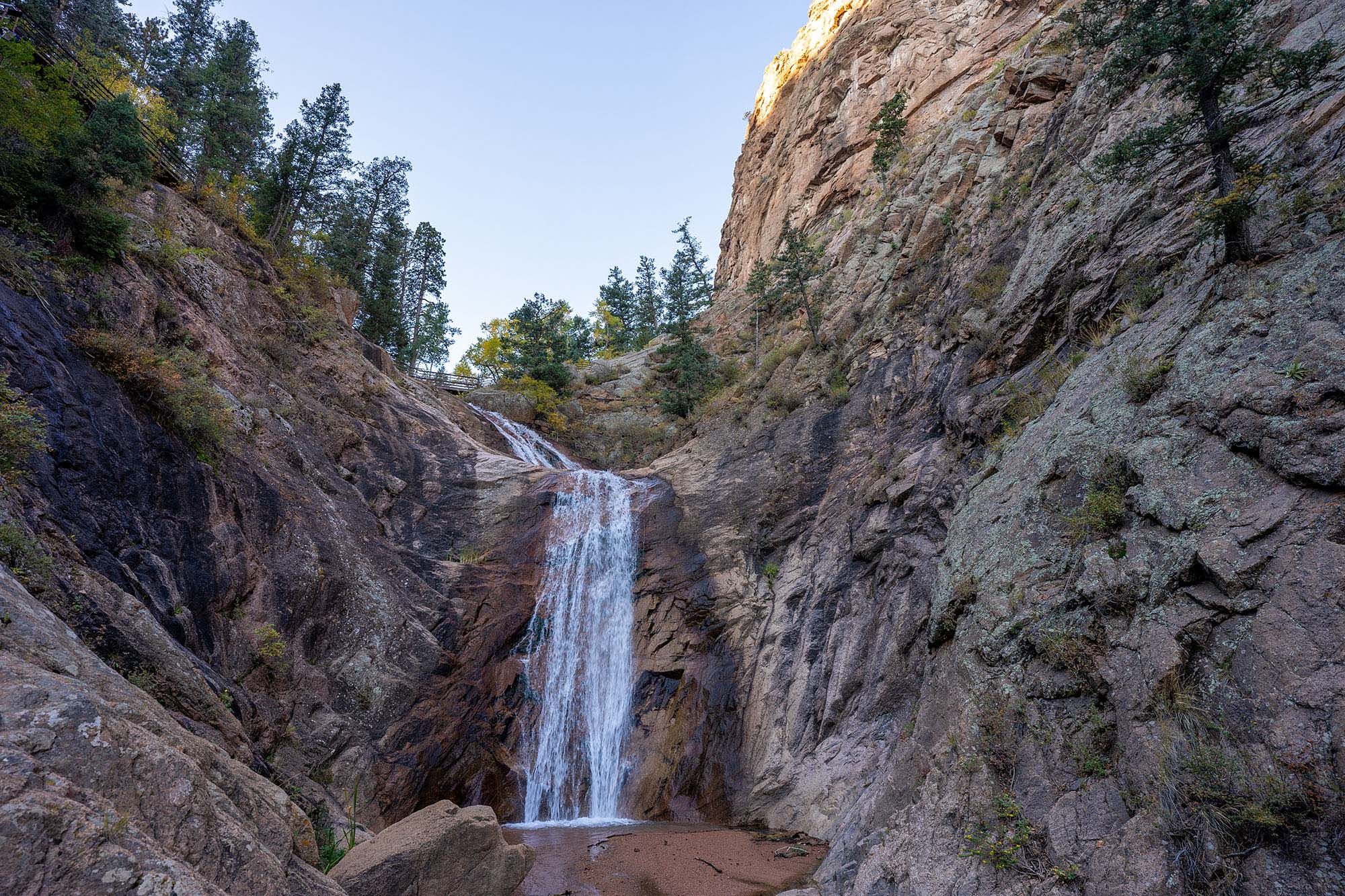
The only waterfall in Colorado on National Geographic's list of International Waterfalls, and one of the state's most captivating natural wonders, Seven Falls is the star attraction, but the journey along the way is full of show-stopping moments.
 Previous slide Next slide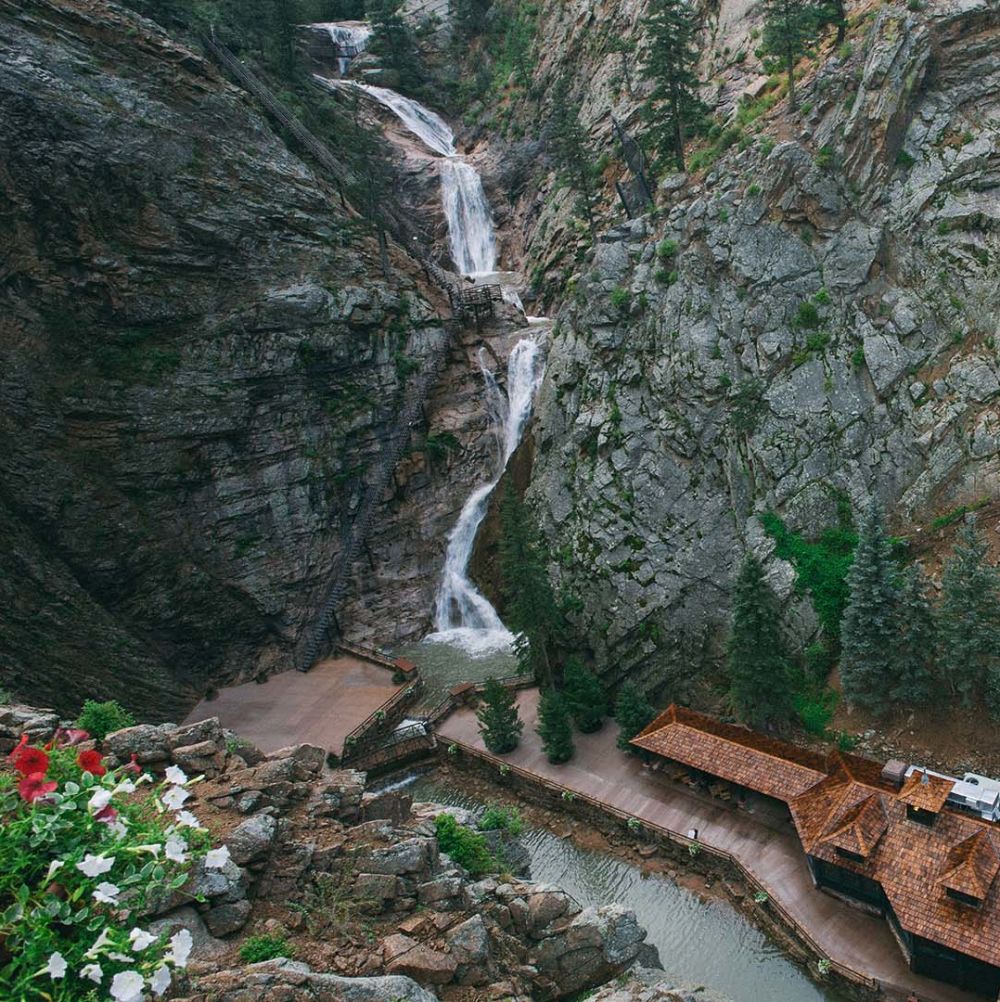
Discover - A Treasured Piece of Colorado Springs History
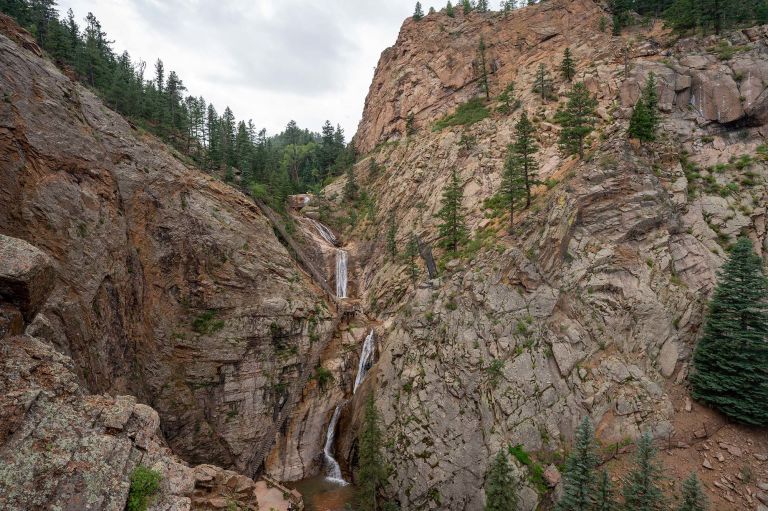
Seven Falls is a magnificent series of waterfalls located in a 1,250-foot-walled box canyon between the towering Pillars of Hercules. Take in stunning valleys and striking rock formations as you climb the challenging 224 steps to the hiking trails and the banks of glistening streams that feed the falls.
Previous slide Next slide 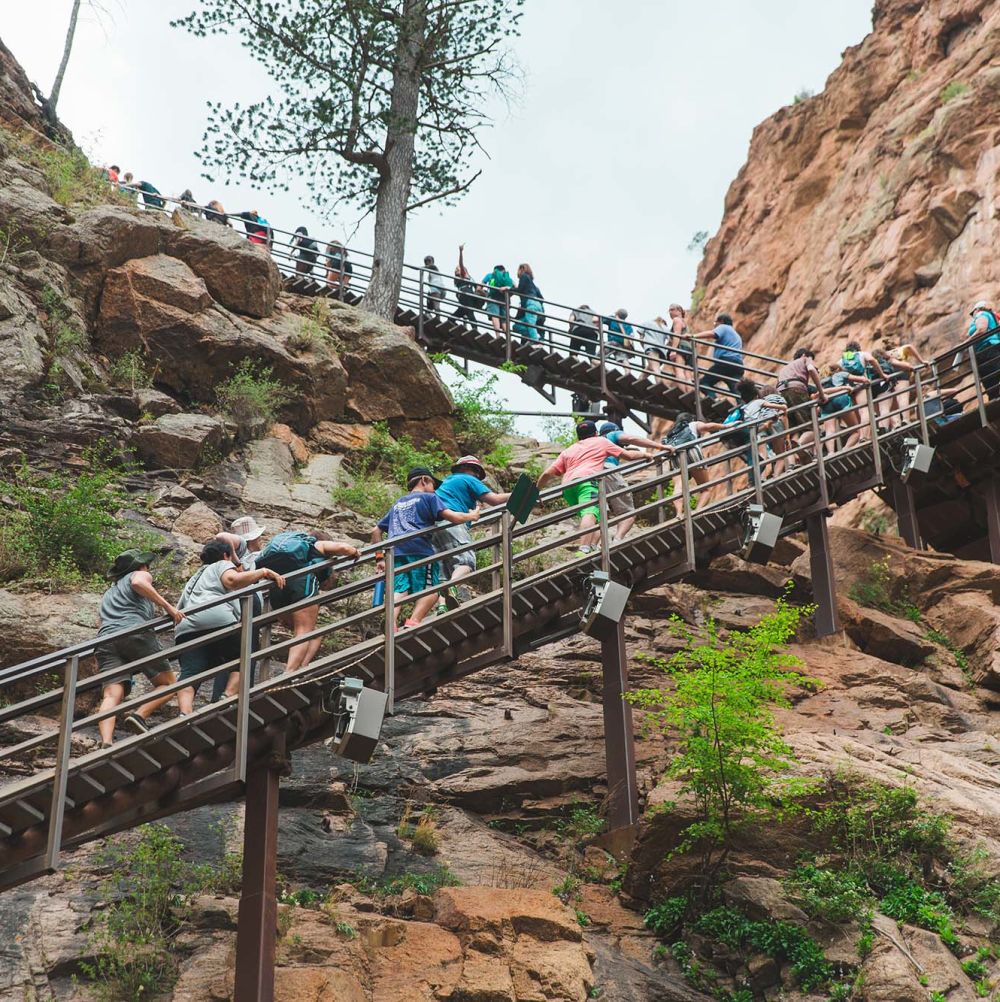
Stay & Play - Some Visit Colorado's Icons, Others Stay in Them
Your Seven Falls experience doesn't have to begin or end inside the canyon, because here you're connected to the legendary Broadmoor resort and endless possibilities for adventure and exploration.
Previous slide Next slide 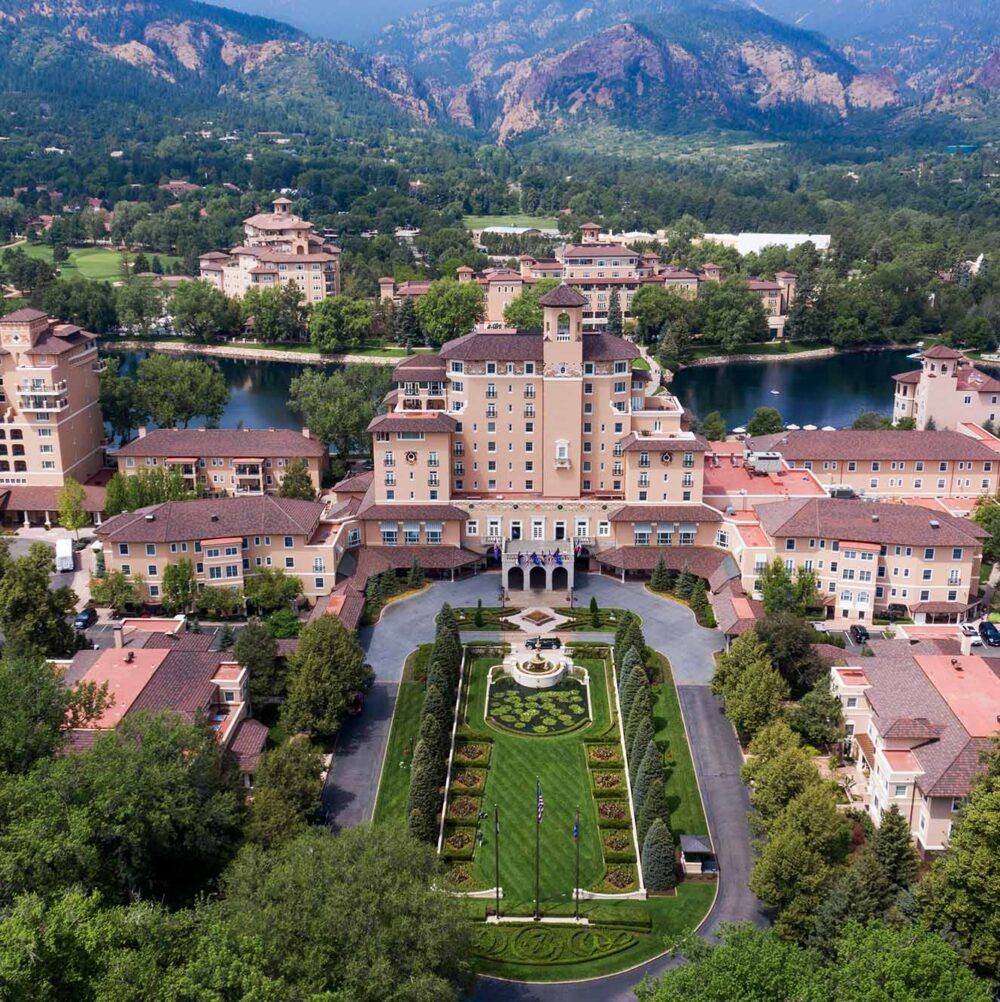
Behind you the prairies extend for hundreds of dry miles to the east. Ahead, the foothills rise abruptly, divided by winding streams that have carved out verdant valleys. Enter South Cheyenne Canyon and you find yourself immersed in Colorado's famous natural beauty at Seven Falls.
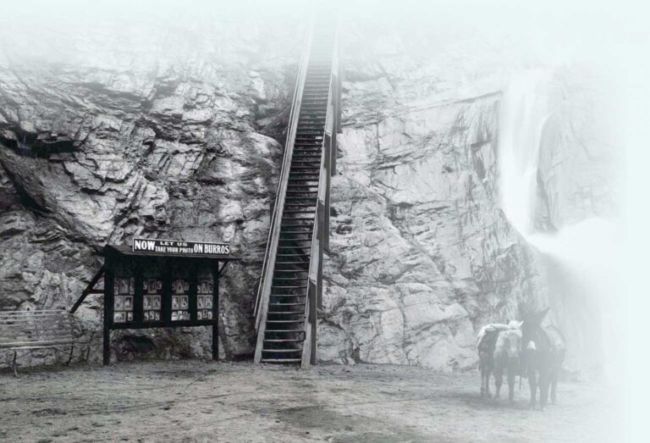
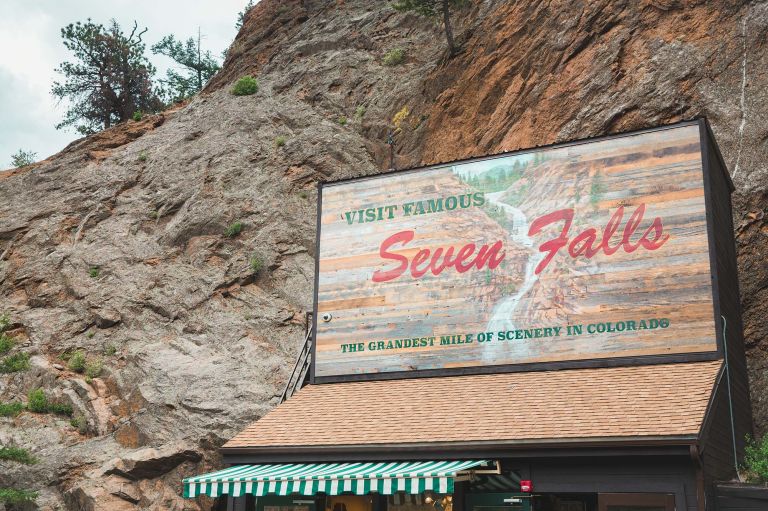
The Grandest Mile of Scenery